
You're Just Not Listening
I once stayed at a hotel in Nigeria, and they served me a packet of Indomie. That was it. That was the meal. And honestly, it told me everything I needed to know about how that property felt about its guests.
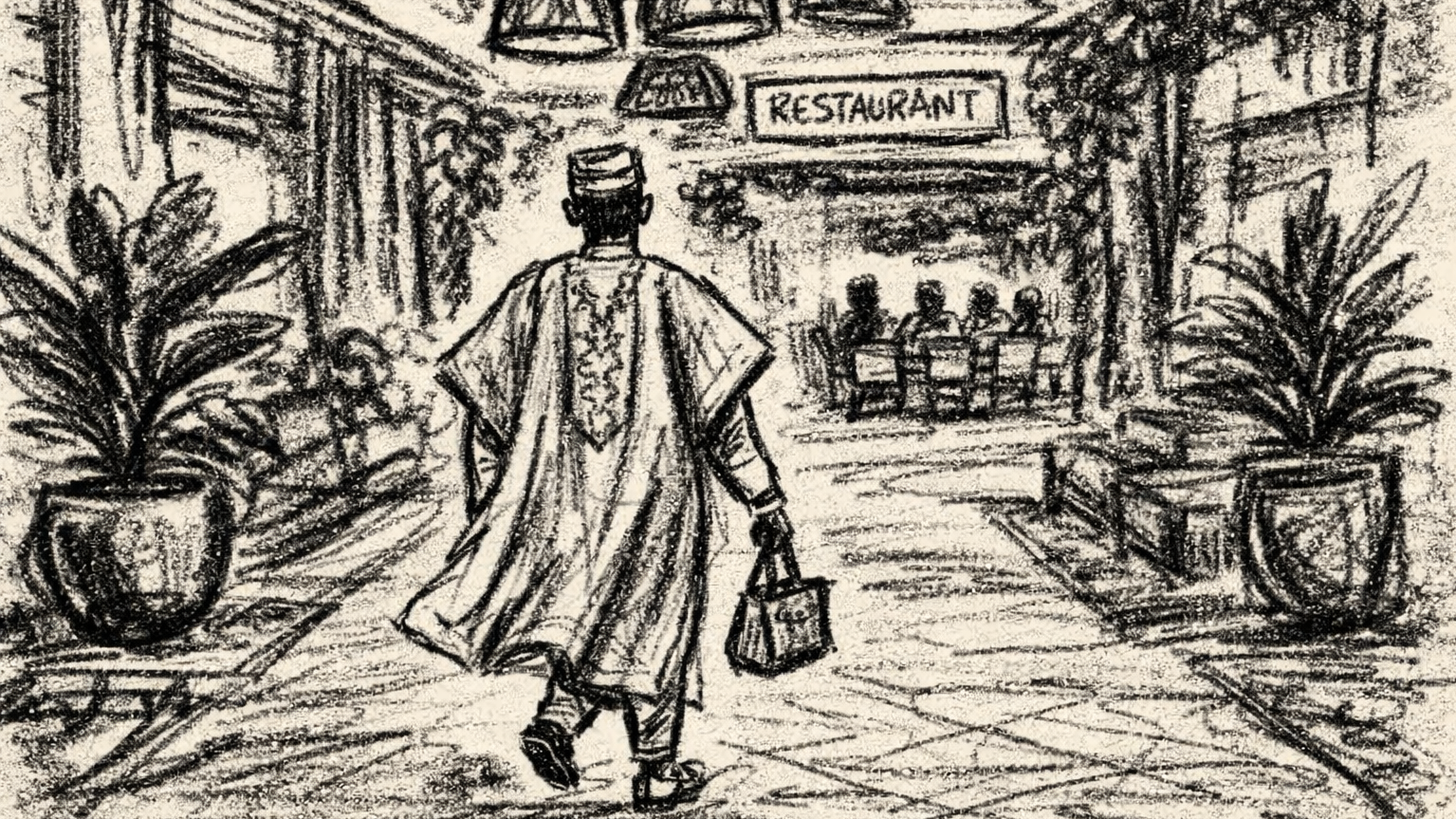
Contrast that with the hotel kitchen I worked in early in my career — still finding itself, but run by a chef who treated every plate like it meant something. He taught me a technique. But more than that, he showed me that consistency and passion aren't personality traits — they're decisions. You either build them into how a kitchen runs, or you don't.
Most hotel restaurants don't. They exist because they have to — a line item on a development checklist, not a deliberate part of the guest experience. The menu is safe. The execution is passable. The buffet gets a pass because at least variety signals some effort. But the à la carte? Forgettable by design.
Here's what gets missed: the restaurant is not an amenity. It's not the gym or the pool or the late checkout. It's one of the few moments in a stay where a guest sits still long enough to actually feel the property. The food, the service, the energy of that room — it all compounds. A great meal makes a guest forgive a slow check-in. A bad one confirms every doubt they had when they booked.
Right now, with operating costs climbing and margins shrinking across the industry, hotel F&B is being forced into a reckoning. The lazy kitchen can't hide behind volume anymore. What's left is intention — or the absence of it. And guests, even the ones who can't articulate why, feel that difference before the first course arrives.
The hotels that understand their restaurant is the experience — not a supplement to it — are the ones worth staying in. The rest are still serving Indomie.